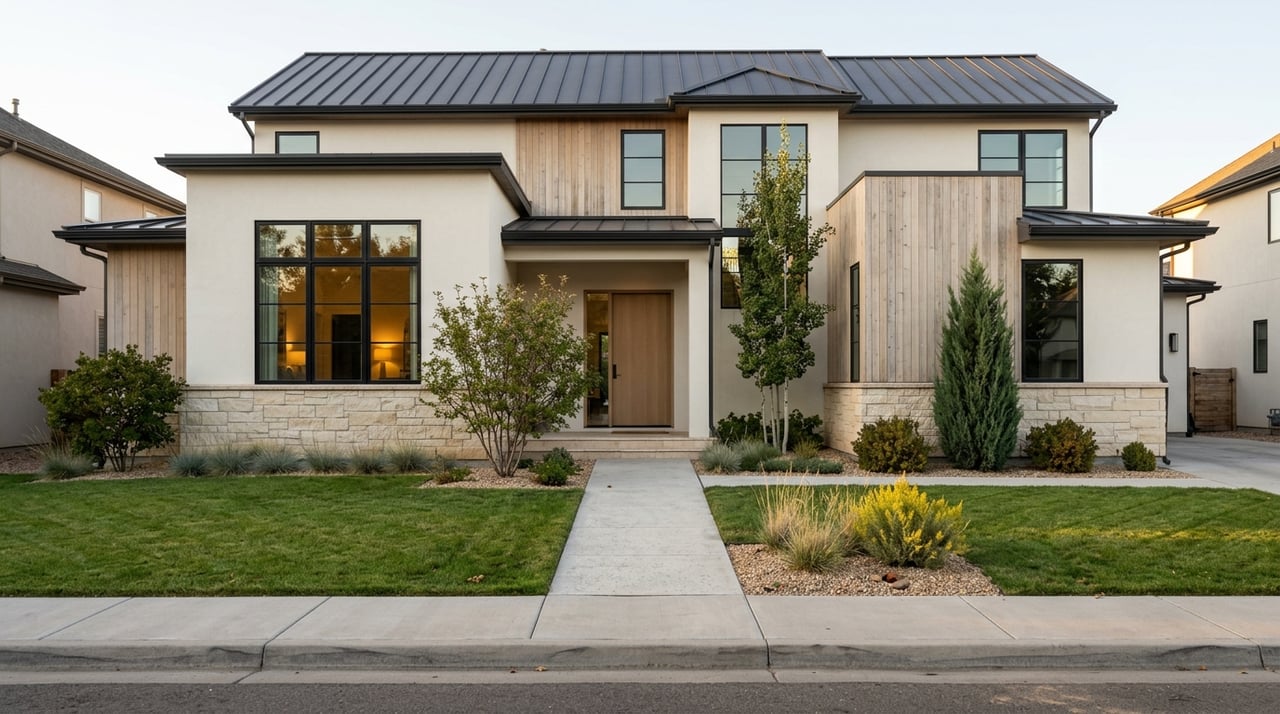
Looking for a suburb that makes daily life feel easy without giving up access to the rest of metro Denver? Lone Tree stands out for exactly that reason. If you are relocating, upsizing, or simply narrowing down where you want to live, it helps to understand what everyday routines actually look like here. From errands and dining to trails, recreation, and transit access, Lone Tree offers a practical lifestyle with plenty built in. Let’s take a closer look.
Why Lone Tree Feels So Convenient
Lone Tree is a relatively small city of about 15,300 residents, but it functions like a regional hub in the south metro area. Its location at I-25 and C-470 brings together retail, employment, and daily services in one concentrated part of town. That creates a lifestyle that feels connected and efficient, especially if you want many essentials close at hand.
The city describes Lone Tree as a family-oriented suburb at the foot of the Rockies, with traditional neighborhoods alongside walkable urban centers around rail stations. In practical terms, that means you are not relying on a single downtown core for everything. Instead, daily life is spread across well-developed shopping areas, parks, civic spaces, and transit-connected districts.
Shopping And Errands In Lone Tree
For many residents, Park Meadows is the clearest anchor for day-to-day convenience. The City of Lone Tree identifies it as one of the city’s most significant economic districts, and Park Meadows describes itself as Colorado’s largest mall with 185 stores and restaurants. That gives you a major concentration of shopping, dining, and entertainment in one place.
If you like being able to handle multiple errands in one trip, this part of Lone Tree is a major advantage. Apparel, home goods, gifts, casual meals, and entertainment are all clustered nearby. For busy households, that can make weekly routines feel much simpler.
The retail mix extends beyond the mall itself. The city’s Eat, Play, Shop, Stay guide lists destinations such as Costco, Home Depot, Epic Mountain Gear, and Living Spaces, along with restaurants including Seasons 52, White Chocolate Grill, Yard House, Snooze, and Via Baci.
That broader retail cluster helps explain Lone Tree’s appeal to buyers who value convenience. Many regular errands, quick pickups, and easy dinner plans can be handled within the city rather than requiring a longer drive across the Denver metro area.
Trails And Parks For Daily Outdoor Time
One of Lone Tree’s strongest lifestyle features is its trail system. If your ideal routine includes morning walks, bike rides, or quick outdoor breaks after work, the city offers several options that connect well across the area.
Willow Creek Trail runs north to south through the center of Lone Tree and connects to High Line Canal Trail, Prairie Sky Park, and the East/West Trail. That kind of connectivity matters because it gives you flexibility. You can keep outings short and local or use the system to reach longer regional routes.
The East/West Regional Trail adds another layer to the city’s outdoor appeal. The city lists it as a 27-mile one-way trail with connectors at multiple Lone Tree-area points, including Bluffs Regional Park, RidgeGate Parkway, Schweiger Ranch, Rueter-Hess Reservoir, and the Cherry Creek Regional Trail. It also links Lone Tree to Highlands Ranch, Castle Pines, and Parker.
For shorter outings, Bluffs Regional Park Trail offers a 2.7-mile soft-surface loop. It is a manageable option if you want a quick walk with open views and a little more of a natural setting without planning a longer excursion.
Prairie Sky Park and Sweetwater Park bring in more community-oriented outdoor space. These parks include trails, open play areas, fields, playgrounds, and gathering space, which adds variety for everyday use.
Lone Tree’s outdoor amenities are also still growing. City materials say High Note Park is planned for Phase 1 groundbreaking in spring 2026, and it is described as the future largest park in Lone Tree once complete. For buyers thinking long term, that signals continued investment in quality-of-life amenities.
Recreation And Community Amenities
Lone Tree offers an unusually deep range of public amenities for a city of its size. Much of that is supported through South Suburban Parks & Recreation, which gives residents access to recreation options that go well beyond the basics.
The Lone Tree Recreation Center is a 55,000-square-foot facility with aquatics, an indoor track, pickleball, basketball, racquetball and handball, volleyball, fitness space, and a performing arts stage. That kind of facility can play a big role in everyday life, especially if you want indoor recreation options available year-round.
Cook Creek Pool adds a seasonal outdoor choice with an 8-lane lap pool, leisure pool, diving board, and 160-foot waterslide. In warmer months, that gives residents another easy local outlet for recreation and downtime.
The Lone Tree Hub adds even more community programming. It offers activities for tots through seniors, including arts and enrichment classes, esports, and event rentals. For households looking for structured programs and flexible community space, it adds another useful layer to daily life.
The Douglas County Libraries Lone Tree branch is another strong civic asset. The branch includes a kids corner, storytime space, meeting and event rooms, and laptop borrowing. Even if you mostly think of a library as a practical stop, it also serves as a helpful community resource for learning, meetings, and family routines.
Arts, Golf, And Local Leisure
Everyday living is not just about errands and logistics. It is also about having enjoyable places close by when you want a change of pace.
The Lone Tree Arts Center is city-owned and presents award-winning productions along with nationally and internationally recognized touring artists in a 500-seat main stage theater. For residents, that means local access to live performances without needing to head into central Denver for every cultural outing.
Lone Tree Golf Club & Hotel adds another leisure option. It features an Arnold Palmer-designed par-72 course, practice facilities, and on-site dining. Whether you are an active golfer or just appreciate having a nearby destination for recreation and a meal, it contributes to the city’s well-rounded lifestyle mix.
Getting Around Lone Tree
Location is a big part of Lone Tree’s draw, especially for relocation buyers comparing suburban options around Denver. The city says it sits about 20 miles from Downtown Denver, 5 miles from Centennial Airport, and 35 miles from Denver International Airport.
Its position at the crossroads of I-25 and C-470 makes it especially practical for people who need strong regional access. That can be useful whether your schedule centers on commuting, frequent airport trips, or simply getting around the south metro area with less friction.
Transit is also part of the equation. The RTD Lone Tree City Center Station serves the E and R lines, adding another transportation option for residents who value rail access.
A City Still Evolving
Lone Tree is not standing still. City planning materials describe a future downtown east of I-25 between Lincoln Avenue and RidgeGate Parkway, tied together by transit, bikeways, parks, and plazas. That vision supports a more walkable, connected center over time.
The city’s strategic plan also highlights a mix of traditional suburban neighborhoods and walkable urban centers around rail stations. For buyers, that means Lone Tree offers more than one style of living. Depending on your goals, you may be drawn to an established neighborhood feel, proximity to retail, or a more transit-oriented setting near newer development.
What Everyday Life In Lone Tree Really Feels Like
Taken together, Lone Tree feels less like a purely residential suburb and more like a south-metro hub with its own identity. You have concentrated shopping and dining, a strong trail network, substantial recreation amenities, and good regional access all in one city.
That combination can be especially appealing if you want your day-to-day life to feel efficient without feeling limited. You can run errands locally, spend time outdoors, use quality community facilities, and still stay well connected to the broader Denver metro area.
If you are considering a move to Lone Tree or comparing it with other south metro communities, the details of everyday living matter. The right fit often comes down to how a place supports your actual routine, not just how it looks on a map. If you want help thinking through Lone Tree and other Denver-area options, Lisa Wynne is here to guide you with a clear, thoughtful, and local perspective.
FAQs
What is everyday shopping like in Lone Tree, Colorado?
- Everyday shopping in Lone Tree centers around Park Meadows and nearby retail areas, with access to major stores, restaurants, home goods, and routine errands in one concentrated part of the city.
What trails and parks are available in Lone Tree?
- Lone Tree offers connected trails such as Willow Creek Trail and the East/West Regional Trail, along with parks including Bluffs Regional Park, Prairie Sky Park, and Sweetwater Park.
What recreation amenities does Lone Tree offer residents?
- Residents have access to the Lone Tree Recreation Center, Cook Creek Pool, the Lone Tree Hub, the Douglas County Libraries Lone Tree branch, the Lone Tree Arts Center, and Lone Tree Golf Club & Hotel.
How does Lone Tree connect to the Denver metro area?
- Lone Tree sits at I-25 and C-470, is about 20 miles from Downtown Denver, and includes RTD rail access through Lone Tree City Center Station on the E and R lines.
Is Lone Tree still growing and developing?
- Yes. City plans describe ongoing growth in areas such as the RidgeGate and City Center district, along with future amenities like High Note Park, which is planned for Phase 1 groundbreaking in spring 2026.