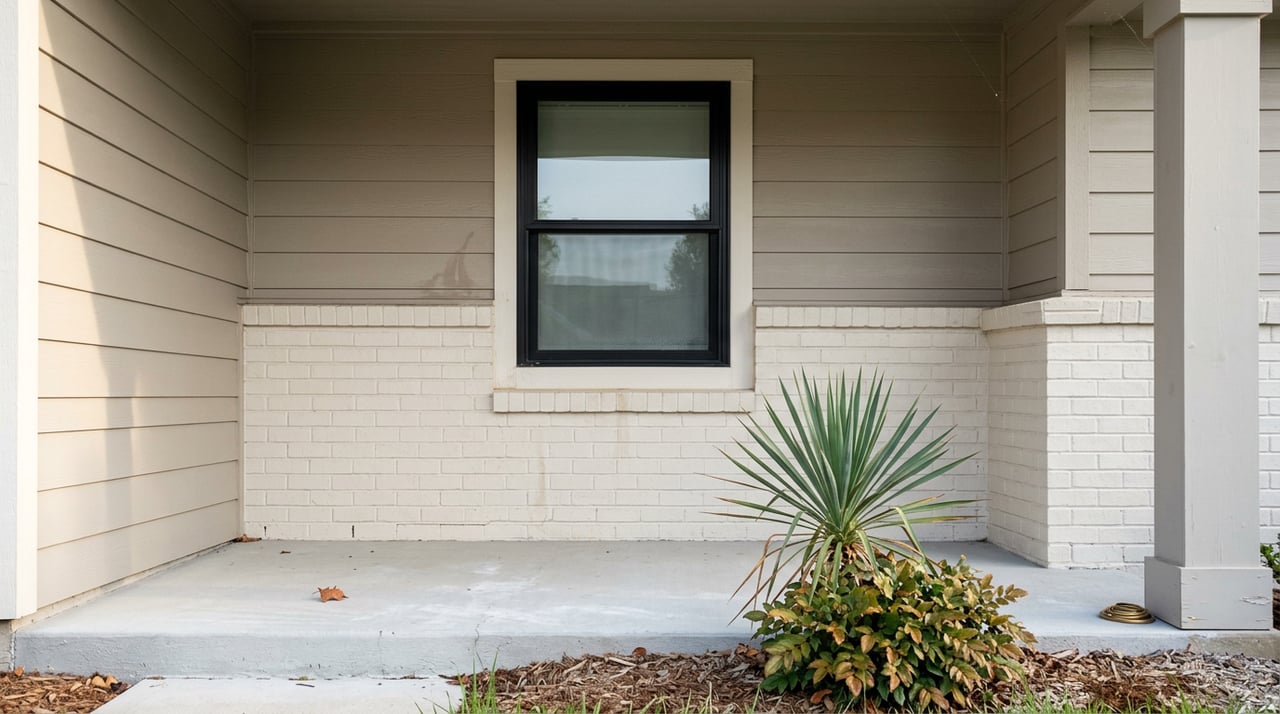
Every fall, a handful of Highlands Ranch sellers do the same sensible-sounding thing before they list. They touch up the trim in the exact color it already is, swap a warped fence board for one that matches, and figure a like-for-like fix doesn't need anyone's permission. Then they find out it does.
The Highlands Ranch Community Association requires Design Review Committee approval for exterior changes even when nothing about the home's appearance actually changes, and that review can take up to 30 days. For a seller trying to move fast in a market where days on market are already stretching, that timeline can quietly eat the exact window they were counting on.
This is the part of a Highlands Ranch sale that rarely makes it into a general HOA explainer, and it's worth understanding before you put a sign in the yard. The thing that trips people up isn't the paperwork everyone already expects. It's the fact that most homes here answer to two associations, not one, and the smaller of the two is often the one nobody warned you about.
The Second HOA Most Sellers Forget They Have
Nearly every property in Highlands Ranch belongs to HRCA, the master community association that runs the four recreation centers, the trail network, and the Backcountry Wilderness Area. That part is common knowledge. What's less understood is that HRCA organizes the community into four core areas, Northridge, Eastridge, Southridge, and Westridge, and beneath that layer sits a patchwork of 94 delegate districts and sub-associations, places like Backcountry, Firelight, Canyon Ranch, Settlers Village, Falcon Hills South, and Westridge Knolls.
Each of those sub-associations can carry its own board, its own dues, and sometimes its own architectural rules layered on top of HRCA's. A seller in one of these neighborhoods isn't dealing with one resale packet. They're dealing with two, and the sub-association's timeline rarely runs on the same clock as HRCA's.
A smaller group of communities, including Gleneagles Village, The Retreat, The Villages, and Palomino Park's Gold Peak and Silver Mesa sections, sit outside the standard recreation assessment entirely and pay a much lighter administrative-only fee instead. Two homes that look identical on a portal listing can carry meaningfully different HOA obligations depending on which side of an invisible line they sit on.
What the 2026 Assessment Actually Costs at Closing
HRCA's standard 2026 master assessment runs $174 per quarter, or $696 per year, billed each January, April, July, and October. That figure covers recreation center access, trail maintenance, and the administrative machinery behind covenant enforcement. What it doesn't cover are the fees that show up specifically because you're selling.
| Item | 2026 Cost |
|---|---|
| Quarterly HRCA assessment | $174 |
| Annual HRCA assessment | $696 |
| HRCA status letter | $150 |
| HRCA transfer fee | $175 |
| HRCA estoppel certificate | $250 |
| Late fee (after 45-day grace period) | $35 |
If your home also sits inside a sub-association, expect a second set of documents and potentially a second transfer fee on top of these. Sellers who assume they can settle any outstanding assessment balance at closing should know the 45-day grace period runs out faster than it sounds, and a lapsed account can add friction right when you're trying to get a title company its final numbers.
The Rule That Catches Sellers Off Guard
The detail worth sitting with is this: HRCA's Design Review Committee approval requirement applies even to repainting a house the same color it already is, or replacing a fence with the same style fence. It isn't a rule about changing your home's appearance. It's a rule about touching the exterior at all.
That matters because pre-listing prep almost always includes exactly this kind of work. A seller who waits until a week before photos to freshen up trim or patch siding may be waiting on a DRC decision while a buyer's showing window is already open. The fix is sequencing, not avoidance. Submit anything exterior early, treat the 30-day review as a real constraint on your prep calendar, and build your listing timeline around it rather than discovering it midstream.
One thing HRCA's rules don't reach: public rights-of-way. Streets and sidewalks in Highlands Ranch belong to Douglas County Public Works, not the association, so street parking or sidewalk condition concerns fall outside HOA enforcement. It's a useful distinction when you're deciding what actually needs your attention before a listing goes live and what doesn't.
Even Your Yard Sign Needs a Nod
Colorado law protects political yard signs regardless of HOA rules, but a for-sale sign is a commercial message, and HRCA asks that vendors and real estate professionals route sign requests through the Design Review Committee, sometimes handled as a blanket approval rather than a case-by-case one. It's a small thing, but it's one more reason working with an agent who already knows the association's process saves a step you'd otherwise have to figure out yourself.
The Disclosure Form Changed This Year
Separate from HOA paperwork, Colorado's residential Seller's Property Disclosure form became mandatory for use starting January 1, 2026. The form requires sellers to disclose based on current actual knowledge, and if a new adverse material fact surfaces after the form is signed, it has to be disclosed promptly, not held until closing. That standard rewards sellers who get their records organized early rather than reconstructing history under contract-deadline pressure.
A Local Wrinkle Worth Testing For Before a Buyer Asks
Highlands Ranch sits in Douglas County, which the EPA classifies as Zone 1 for radon, meaning indoor levels above the 4 pCi/L action threshold are common enough that testing is considered routine rather than exceptional here. Douglas County's own health department offers residents a free test kit. If you haven't tested in the past two years, doing it before a buyer's inspector does gives you the option to address it on your own terms instead of negotiating from the buyer's report.
Reading Your Timeline Against a Cooling Market
None of this matters in a vacuum. Metro Denver's broader market cooled in July 2026, with 3,667 closed sales, down close to 12 percent from June and just under 6 percent from July of last year. The median closing price sat at $605,000, down slightly from June but still up nearly 3 percent year over year, and homes took a median of 21 days to sell, longer than June's 18 but still faster than the 24-day median from a year earlier.
Within Highlands Ranch itself, current pricing varies meaningfully by village: Northridge and Eastridge each carry a median in the low $630,000s, Southridge sits closer to $703,000, and Westridge runs highest at roughly $755,000, against a community-wide figure near $690,000. Sellers received an average of 99 percent of list price metro-wide in July, a sign that accurate pricing still performs even as the pace slows.
The practical read: a market with slightly longer days on market has less room to absorb a 30-day compliance delay you didn't plan for. Sellers who front-load their HRCA and sub-association paperwork, and who submit any exterior work early, are the ones who keep control of their own timeline instead of ceding it to a review calendar.
A Few Questions Worth Settling Early
Do I need to check both HRCA and a sub-association? Only if your neighborhood has one. Not every Highlands Ranch home does, but many do, and the only reliable way to know is to pull your property's recorded declarations or ask HRCA directly which delegate district you fall under.
Can I do minor exterior touch-ups without waiting for approval? HRCA's own guidance says no, even for like-for-like repainting or replacement. Budget the 30-day review window into your prep schedule rather than treating it as optional.
Does the HOA control street parking or sidewalk issues in front of my house? No. Colorado law keeps those under Douglas County Public Works, not the association, so that's one category of pre-listing worry you can usually set aside.
If you're weighing a Highlands Ranch sale this fall and want a second set of eyes on your specific HOA layers, timeline, and prep list before you touch a paintbrush, Lisa Wynne is glad to walk through it with you. Let's Connect.